How To Start A Print On Demand Business
A practical step-by-step guide to how to start a print on demand business, including preparation, instructions, common issues, tips, and next steps.
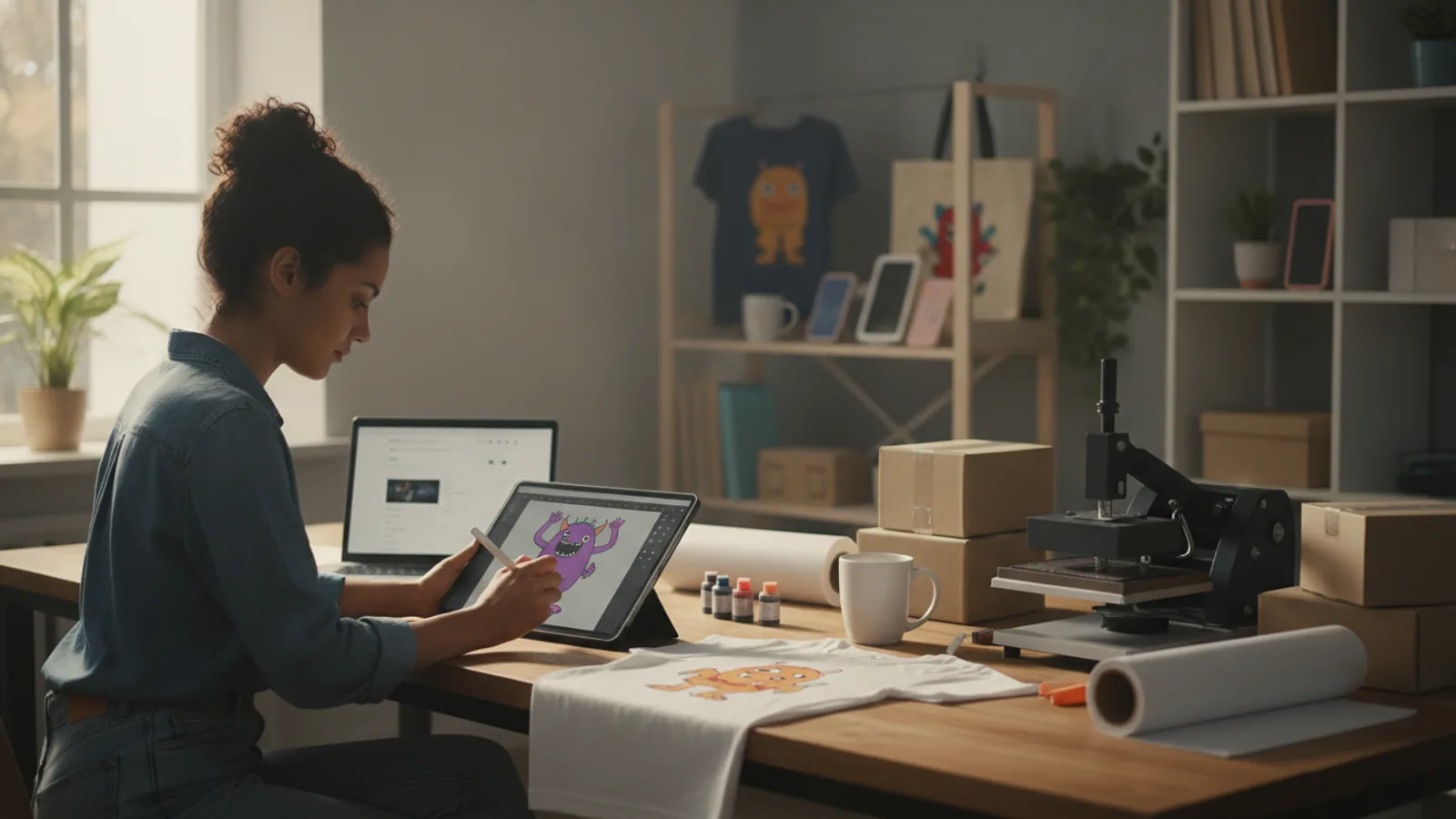
How To Start A Print On Demand Business
This guide explains how to approach how to start a print on demand business, including the preparation, practical steps, common mistakes, and final checks that help you finish with confidence.
Before You Start
What You Need
To begin your print on demand journey, you'll need some fundamental tools and knowledge. A reliable computer and internet connection are essential for managing your online store and designs. While advanced graphic design skills aren't always a must-have, you'll need a way to create unique designs—either by learning basic design software, using online design tools, or hiring a freelance designer. Understanding who your customers are will guide your product choices and marketing efforts.
Safety, Timing, or Context Checks
Before you dive in, it's vital to check a few things. First, ensure you understand the legal requirements for operating an online business in the UK, including business registration and tax obligations. Second, be very careful with intellectual property rights; never use copyrighted images, logos, or phrases in your designs without permission. Originality is key to avoiding legal trouble. Finally, consider the timing: launching during peak shopping seasons (like Christmas or holidays) can offer a boost, but also means more competition. Understand that initial profit margins can be tight, so careful pricing is crucial.
Step-by-Step Instructions
Quick Reference
Common Problems When You Start A Print On Demand Business
Starting a print on demand business can be exciting, but you might run into some common hurdles along the way. Knowing what to look out for can help you fix issues quickly and stay on track.
Low Sales and Traffic
One of the most frustrating problems is not seeing enough sales, even if you feel your designs are great. This often comes down to two main areas: your niche and your marketing. If your niche is too broad, or if there isn't a strong demand for your specific designs, sales will be slow. Similarly, if people don't know your store exists, they can't buy from you.
Fix: Re-evaluate your niche. Is it specific enough? Are people actively searching for products like yours? Improve your marketing efforts by focusing on the social media platforms where your target audience spends time. Learn basic SEO for your product listings. Consider running small, targeted paid ad campaigns to boost visibility.
Poor Design Quality or Resolution
Sometimes, a design that looks good on your screen appears blurry or pixelated when printed on a product. This is usually due to low resolution (DPI) or using the wrong file format. It can lead to unhappy customers and returns.
Fix: Always create designs at 300 DPI (dots per inch) or higher, at the actual size they will be printed. Use PNG files with transparent backgrounds for best results. Double-check your POD provider's specific file requirements for each product type. Ordering samples before launching a design is crucial for catching these issues early.
Supplier Issues (Slow Shipping, Bad Prints, Returns)
Since you don't handle manufacturing or shipping, you rely heavily on your print on demand provider. Problems with their service, such as extremely slow shipping times, inconsistent print quality, or difficult return processes, can severely damage your brand reputation.
Fix: Research and choose your POD supplier carefully from the start, prioritizing those with good reviews for quality and reliable shipping. Order samples regularly to monitor quality. Have a clear communication channel with your supplier for issues. Be transparent with your customers about shipping times, and have a clear return/refund policy that aligns with your supplier's capabilities.
Low Profit Margins
The print on demand model often involves higher per-item costs compared to bulk manufacturing. If you don't price your products correctly, you might find your profits are very slim, or even non-existent, after accounting for costs, marketing, and platform fees.
Fix: Carefully calculate your base cost (product + printing + shipping from supplier to customer). Then, add your desired profit margin. Research competitor pricing, but don't just price match; aim for a price that reflects the unique value of your designs and brand. Consider offering premium products or bundles to increase average order value. Always factor in potential marketing costs and platform fees when setting your prices.
Copyright and Trademark Infringement
Accidentally (or intentionally) using copyrighted images, logos, characters, or trademarked phrases can lead to severe legal penalties, your store being shut down, and your POD account terminated. Ignorance is not an excuse in the eyes of the law.
Fix: Always create 100% original designs. If you use elements from stock sites, ensure you have a commercial licence that permits print on demand use. Avoid designs that are "too close" to popular brands or characters. If in doubt, do not use it. Regularly check the UK Intellectual Property Office database for trademarks if you're using text or unique phrases.
Advanced Tips for How To Start A Print On Demand Business
Once you've got the basics down and your print on demand business is running smoothly, these advanced strategies can help you grow and optimise your operations.
Build an Email List from Day One
Your email list is one of your most valuable assets. Unlike social media algorithms that can change, you own your email list. Start collecting email addresses from your website visitors immediately, even if you only have a few products. Offer an incentive, like a small discount on their first purchase or early access to new designs, in exchange for their email.
Use email marketing to announce new product launches, share promotions, send holiday sales, and build a relationship with your audience. This helps drive repeat purchases and builds a loyal customer base independent of external platforms.
Leverage Influencer Marketing
Collaborate with social media influencers who have an audience that matches your niche. Start with micro-influencers (those with smaller but highly engaged followings) as they are often more affordable and can provide authentic reach. Offer them free products in exchange for reviews or styled photos featuring your items. For larger influencers, you might need to offer a commission on sales or a flat fee.
This strategy can quickly expose your brand to a relevant audience and generate social proof, which is incredibly valuable for online sales.
Diversify Products and Platforms Strategically
Once you have a few successful designs on one product, explore applying them to other relevant items (e.g., a popular T-shirt design also works on mugs or phone cases). Additionally, consider expanding your presence to other sales channels or POD providers. For example, if you started on Etsy, consider setting up a Shopify store for more brand control, or explore marketplaces like Redbubble for passive sales.
However, do this strategically. Don't spread yourself too thin. Only expand when you have a good grasp of your current operations and a clear reason for diversification.
Create Designs Based on Trends and Seasons
Stay updated on current trends, holidays, and seasonal events that are relevant to your niche. This could be anything from Christmas, Valentine's Day, and Halloween to specific cultural events, popular phrases, or current affairs (always be mindful of copyrights and trademarks).
Plan your designs several weeks or months in advance of these events. Launching timely, trending designs can lead to significant sales spikes. Use tools like Google Trends, social media trending topics, and even news outlets to spot upcoming opportunities.
Automate and Outsource Tasks
As your business grows, your time will become more valuable. Look for opportunities to automate repetitive tasks or outsource non-core activities. For instance, use scheduling tools for social media posts, automated email sequences for customer communication, and analytics dashboards for reporting.
Consider hiring freelancers for tasks like graphic design (if you're not a designer), advanced marketing campaigns, customer service (if volume is high), or even copywriting for product descriptions. This frees you up to focus on strategy, new design creation, and business growth.
How To Start A Print On Demand Business FAQ
Is print on demand profitable?
Yes, print on demand can be very profitable, but it requires careful niche selection, strong design, effective marketing, and smart pricing. While per-item profit margins might be lower than bulk manufacturing, the lack of inventory costs and risks can make it a highly attractive and profitable business model for many.
Do I need design skills to start a print on demand business?
Not necessarily. While having design skills is a great advantage, you can use user-friendly online design tools like Canva, purchase ready-made licensed designs, or hire freelance graphic designers to create your unique artwork. Your ability to identify a profitable niche and market your products effectively can be more important than your personal design skills.
What are the best products to sell with print on demand?
The "best" products depend entirely on your chosen niche. However, popular and consistently strong sellers include T-shirts, hoodies, mugs, phone cases, tote bags, posters, and stickers. The key is to offer products that genuinely appeal to your specific target audience and showcase your designs effectively.
How much does it cost to start a print on demand business?
The startup costs are relatively low compared to traditional retail. You'll need money for your e-commerce platform subscription (if applicable, e.g., Shopify), potential design software or freelance designers, ordering product samples, and initial marketing efforts. You don't pay for inventory upfront. Most can start with a few hundred pounds, though investing more in marketing can accelerate growth.
How long does it take to see sales with print on demand?
This varies widely. Some businesses see their first sale within days of launching, while others might take several weeks or months. Success depends on the uniqueness of your designs, the strength of your niche, and the effectiveness of your marketing. Consistency and persistence are key.
Final Checklist for How To Start A Print On Demand Business
Use this checklist to ensure you've covered all the essential steps in launching your print on demand business:
Understood the POD Model: You know how the process works and its pros/cons.
Chosen a Niche: You have a specific target audience and interest area defined.
Created or Sourced Designs: Your designs are unique, high-resolution, and legally cleared for commercial use.
Selected a POD Provider: You've researched and chosen a reliable supplier for quality, products, and shipping.
Set Up Online Store: Your e-commerce platform or marketplace store is live and connected.
Added Products: Your designs are applied to products with compelling descriptions and pricing.
Ordered Samples: You've physically checked the quality of your products.
Developed Marketing Strategy: You have a plan to promote your store and designs.
Established Customer Service Plan: You know how to handle orders, queries, and issues.
Understood Legal & Tax Basics: You're aware of UK online selling regulations and tax obligations.
Ready for Continuous Learning: You're prepared to analyse data and adapt your business.