Startup Ideas
A practical step-by-step guide to startup ideas, including preparation, instructions, common issues, tips, and next steps.
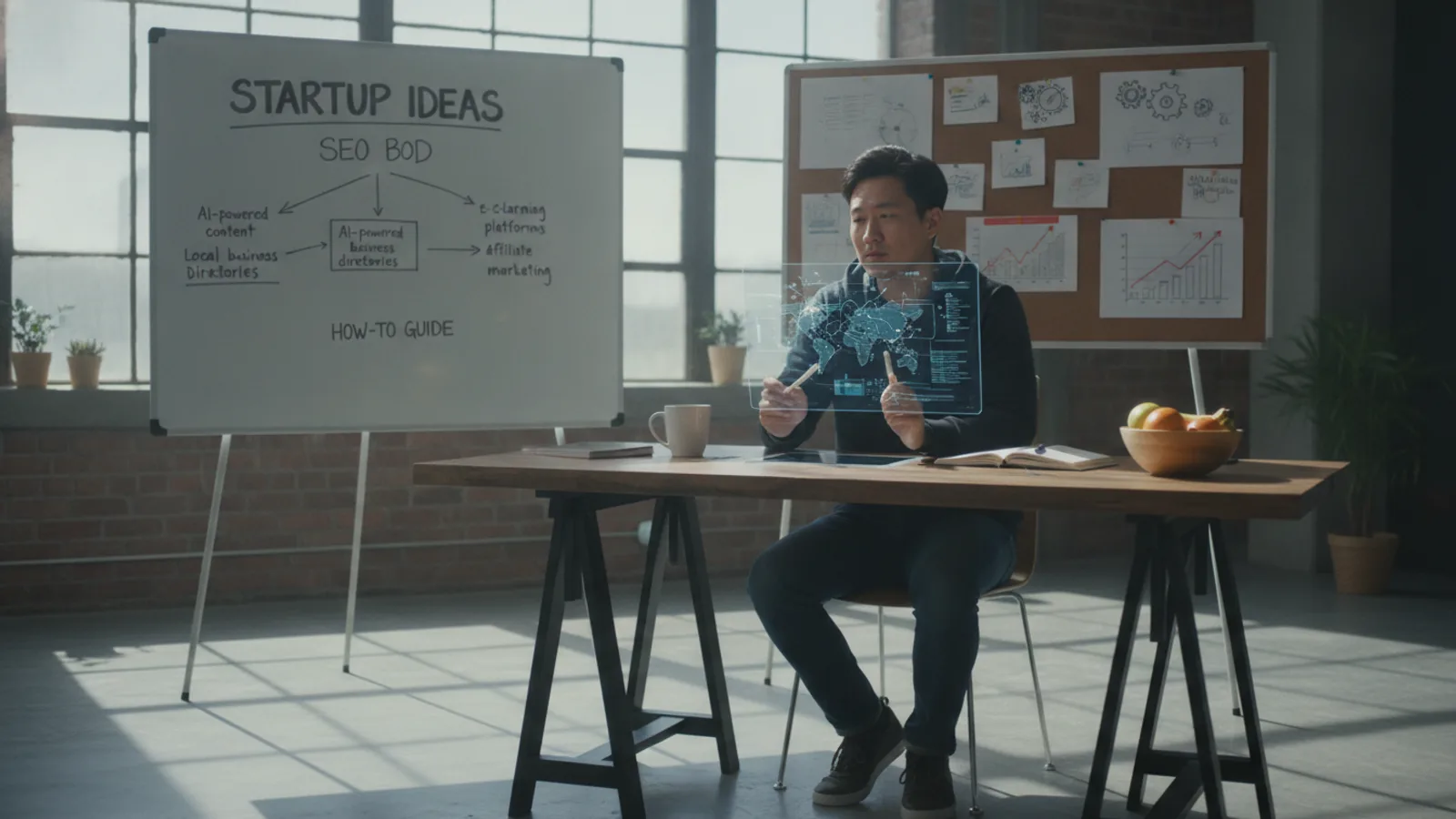
Startup Ideas
This guide explains how to approach startup ideas, including the preparation, practical steps, common mistakes, and final checks that help you finish with confidence.
Before You Start
Step-by-Step Instructions
Quick Reference
Common Problems When You Develop Startup Ideas
Even with a clear guide, you might run into some common issues when trying to develop good startup ideas. Knowing what to watch out for can help you overcome them.
Getting Stuck in Brainstorming
Sometimes, your mind just goes blank, or you feel like all your ideas are boring. This is very common. The problem often isn't a lack of ideas, but a fear of bad ones. You might be judging your ideas too harshly before they even have a chance to develop. Remember, the early stage is about quantity, not quality.
Fix: Set a timer for 5-10 minutes and force yourself to write down *anything* that comes to mind, no matter how silly. Don't stop writing until the timer goes off. Try looking at problems from a totally different angle, or ask a friend to brainstorm with you. Sometimes a change of scenery helps too.
Falling in Love with Your First Idea
It's exciting when you first come up with an idea you really like. But if you get too attached too soon, you might ignore important feedback or fail to see better opportunities. This is known as "founder bias."
Fix: Always challenge your own ideas. Ask yourself, "What if this isn't the best way?" Actively seek out criticism and contradictory opinions from others. Remember that testing and validation are there to help you build the best possible business, not just confirm your initial thought.
Not Doing Enough Research or Validation
Some people skip the crucial step of talking to potential customers and researching the market. They assume their idea is great because *they* would use it. This can lead to building a product or service that nobody actually needs or wants, wasting a lot of time and effort.
Fix: Make talking to potential customers a non-negotiable step. Even 5-10 conversations can provide huge insights. Use surveys, interviews, and social media polls. Look up existing solutions thoroughly. If you don't find much, ask *why* that might be.
Trying to Do Too Much at Once
Your startup idea might be huge and complex in your head. You might envision a product with dozens of features or a service that caters to everyone. This can quickly become overwhelming and make it impossible to start. Perfect is the enemy of good, especially in the beginning.
Fix: Focus on the core problem your idea solves. What's the absolute simplest version of your product or service that still delivers value? Start there (your MVP). You can always add more features and services later, once you have proven the basic idea works and people are using it.
Advanced Tips for Startup Ideas
Once you're comfortable with the basics of generating and validating startup ideas, you can explore some more advanced strategies to give your ventures an edge.
Look for "Gaps" in Existing Services
Instead of trying to invent something totally new, look at popular businesses or services you use. Is there a small part of their offering that could be done better, or a group of customers they aren't serving well? For example, if a large retailer doesn't offer personalised gift wrapping, that could be a specific gap you could fill with a local service.
How to do it: Use a product or service you know well. List all its features and how it works. Then, imagine a user who might have a slightly different need or a small complaint. Can you build a business around that "gap" or specific need?
Consider a "Subscription Model" Early On
Many successful modern businesses use a subscription model, where customers pay a recurring fee (e.g., monthly or annually) for access to a product or service. This can provide a more stable income stream than one-off sales. Think about things like streaming services, software, or even curated boxes of goods.
How to do it: As you refine your startup ideas, ask yourself if the value you provide is something customers would need or want on an ongoing basis. Could your product be delivered regularly, or your service used repeatedly? This isn't for every business, but it's worth considering for stability.
Think About Scalability from the Start
Scalability means how easily your business can grow and serve more customers without completely overhauling your operations. While you'll start small, having an idea that can potentially grow beyond just yourself is a good long-term strategy.
How to do it: When testing your idea, consider: If I suddenly had 10 times more customers, how would I handle it? Would I need more staff, more materials, bigger premises, or can my current system (or a slightly modified one) cope? Digital products (like apps, online courses) are often highly scalable, but even service-based businesses can use tools or processes to help them grow.
Learn from "Failed" Startups
Not every startup succeeds, but there's a huge amount to learn from those that didn't. Many articles and communities discuss why certain businesses failed. Often, it's not the idea itself that was bad, but issues with market timing, execution, or failing to listen to customers.
How to do it: Do some online research on "startup failures" in areas related to your ideas. Understand the common reasons. Did they try to solve a problem that wasn't big enough? Did they spend too much money too soon? Did they ignore customer feedback? Learning from others' mistakes can help you avoid making the same ones.
Startup Ideas FAQ
Final Checklist for Startup Ideas
Before you move forward with your chosen startup idea, run through this final checklist to ensure you've covered the most important groundwork.
If you can tick off most of these points, you have a solid foundation for your startup idea and are ready to move on to planning your next steps!
FAQ
What should I check before I start?
Check the goal, the key prerequisite, and any current instructions that could change the safest next step for startup ideas.
How can I tell whether the result is working?
Use the practical checks in the guide, pause if a required step is unclear, and verify the finished result against the intended outcome.